Technology Going Global: Lissent's Smart Greenhouses Building a Global "Vegetable Basket"
Technology Going Global: Lissent's Smart Greenhouses Building a Global "Vegetable Basket"
Weifang's Agricultural Facilities Globalization Practice: From Integrated Innovation to Standard Output
1. Case Introduction
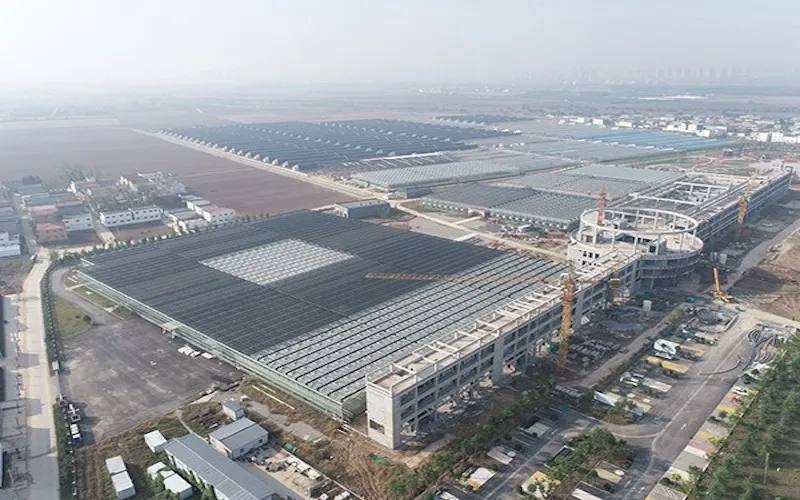
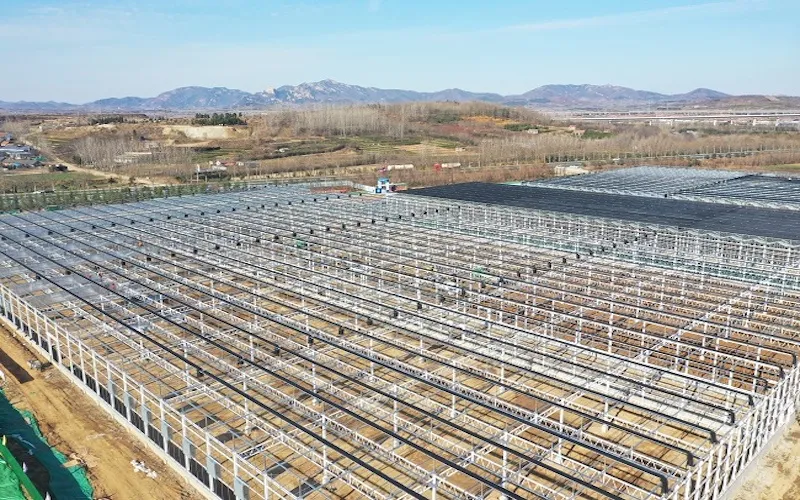
The earliest and most concrete manifestation of Weifang's agricultural globalization is the internationalization of its facilities. Represented by Shouguang in Weifang, greenhouse technology here has evolved from "integrated innovation" to "standard output". Shandong Lissent Agricultural Technology Co., Ltd. (hereinafter referred to as "Lissent"), as a leader in this process, has upgraded the efficient and intensive vegetable park model from Shouguang into a globally replicable "Chinese solution" through the core path of "technology-based foundation + model innovation + local adaptation". By building a whole industry chain system covering R&D and design, intelligent manufacturing, engineering construction, and technical services, and customizing greenhouse solutions for different climates and needs, it has built 272 modern planting parks in 40 countries worldwide, achieving a leap from "product export" to "model win-win", and providing stable guarantees for the global "vegetable basket" with smart greenhouse technology.
2. Detailed Case Introduction
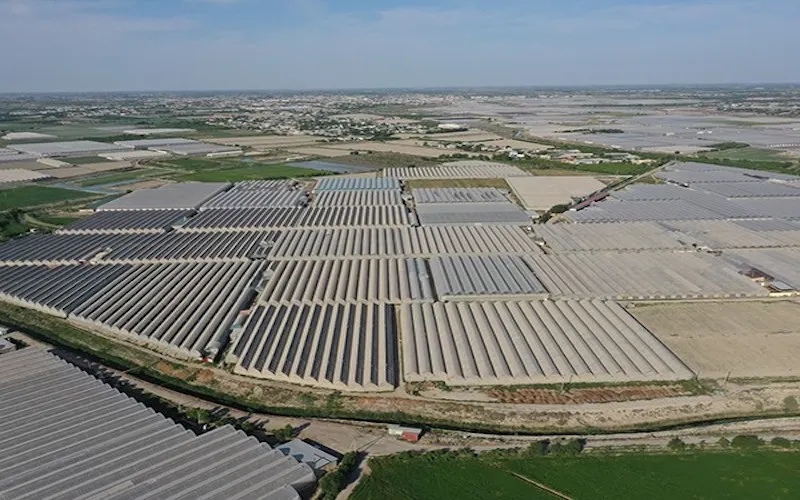
With the mission of "empowering global agricultural modernization with China's vegetable park model", Lissent has built a unique and competitive full-chain service capability for facility agriculture based on 15 years of deep cultivation. In Bukhara, Uzbekistan, the smart greenhouse park built by Lissent has become a model for coping with arid climate and ensuring vegetable supply. "Vegetable growth depends on the weather, just prune the leaves!" Initially, local farmers were skeptical of Shouguang's "vine dropping technology" until international student Weilong strictly followed the procedures and increased yields by 50%, which suddenly set off a "Chinese greenhouse craze" in Uzbekistan.
At the intelligent manufacturing level, the company has built a 20,000-square-meter high-standard production workshop, equipped with more than 60 advanced CNC equipment, forming a large-scale production capacity of over 10,000 square meters of greenhouses per day. Core products cover the entire chain components such as greenhouse steel structures, intelligent environmental control systems, and water-fertilizer integration equipment. It holds national steel structure construction qualifications and authoritative certifications such as ISO9001 and ISO18001, and has accumulated more than 30 patents and more than 10 software copyrights, with technical strength leading the industry.
In terms of innovation system construction, Lissent has built a "local R&D + global collaboration" technology network. Its special "World Climate Laboratory" is the core support for technology going global: low-temperature chambers simulate Siberian cold waves, wind tunnels reproduce Middle East sandstorms, and spray systems create Southeast Asian humid and hot climates... More than 20 greenhouse models are tested here under extreme environments. Based on these well-honed experimental data, the independently developed IoT control system can realize millisecond-level monitoring and regulation of 50 environmental parameters such as light, temperature, and humidity, seamlessly integrating multiple subsystems such as ventilation and supplementary lighting; at the same time, it deeply links local partners such as Shouguang Xinlei Agriculture and Hailisi Seedlings, and introduces international cutting-edge technologies such as South Korea's Ailepao seedling raising, forming an integrated industrial ecology of "seedlings - agricultural materials - technology".
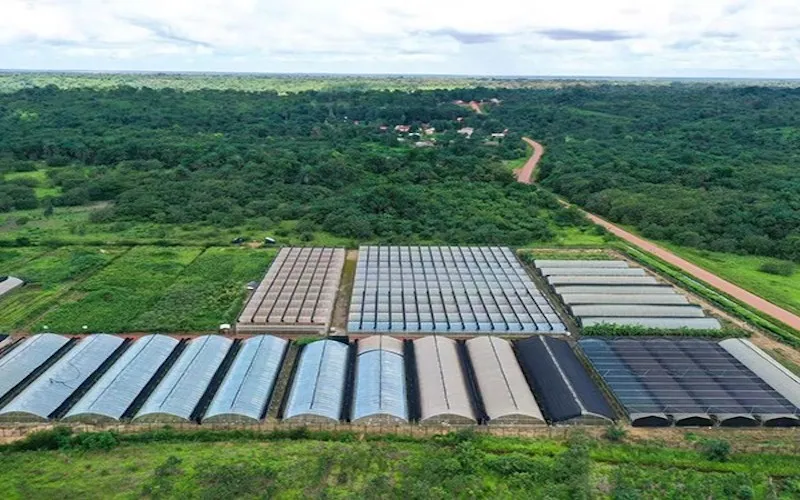
In terms of model output, the company has created a "one-stop turnkey project" service model, covering the entire life cycle services from park planning, custom design, construction, to seedling supply, technical training, and sales support. This "hard infrastructure + soft service" model has placed Chinese agriculture at the forefront of global development. Since launching the "Belt and Road Modern Agricultural Industry Belt" plan in 2015, it has established local service teams in Russia, Uzbekistan and other countries, achieving precise innovation for different regional characteristics: developing arc-shaped steel beam greenhouses resistant to level 12 winds for windy areas in Central Asia, customizing nano-film coating and water-cooling systems for Saudi Arabia's 70℃ high-temperature environment, configuring efficient sunshades for greenhouses in Guinea, designing RFT shallow liquid hydroponic greenhouses and connecting them to IoT systems for New Zealand, and building fully shaded light-deprivation greenhouses for special planting needs in the United States, fully demonstrating the core advantage of "localized innovation".
The global layout continues to deepen, with benchmark projects implemented from countries along the "Belt and Road" to developed countries: 90% of organic vegetables in Saudi Arabia's Neom come from Lissent greenhouses, Albanian strawberries go on the market two months earlier due to heat preservation technology, and the fruit cracking rate of Vietnamese dragon fruits has decreased by 70% after adopting rain shelters; domestically, multiple modern agricultural parks integrating demonstration, production, and cultural tourism have been built in Henan, Shandong, Hunan and other places, forming a virtuous cycle of "global experience feeding back the local, and local innovation supporting the global".
3. Implementation Locations
1. Global Operation and R&D Hub
Shouguang City, Shandong Province (coordinating global project management, core technology R&D, intelligent manufacturing and industrial ecological collaboration).
2. Overseas Core Benchmark Project Locations
- Central Asia: Bukhara Region, Uzbekistan (1 million square meters tomato greenhouse cluster), Tashkent Region planting park;
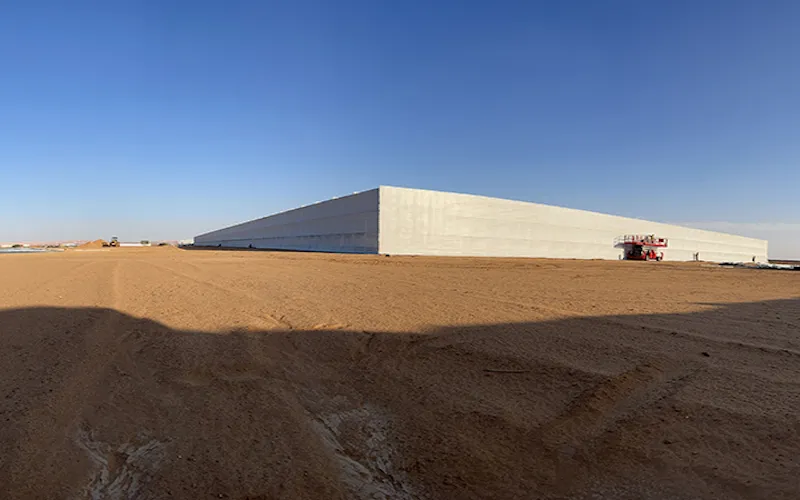
- Middle East: King Salman Park, Riyadh, Saudi Arabia (30-hectare sunshade net house + 1.2-hectare seedling greenhouse), Dubai energy-saving farm;
- Africa: Around Conakry, capital of Guinea (15 sunshade greenhouse groups with a total area of over 15 hectares);
- Europe and America: Los Angeles, California, USA (over 20 hectares of light-deprivation greenhouses), Xianmeijian Farm, Auckland, New Zealand (9-hectare hydroponic greenhouse), Minsk, Belarus (25-hectare first-phase greenhouse project);
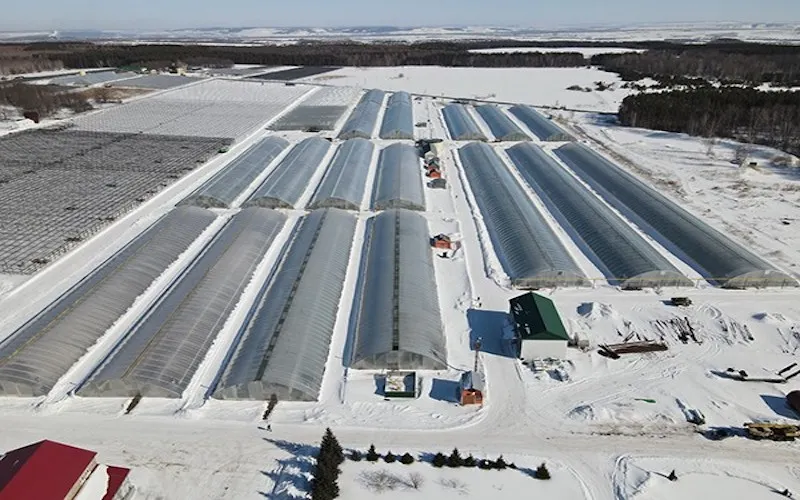
- Commonwealth of Independent States: Ufa, Russia (5.5-hectare greenhouse), Crimea (20,000㎡ renovation project).
3. Domestic Demonstration Project Locations
- Henan: Zhoukou Huaiyang Tomato Industrial Park (3.6-hectare glass greenhouse), Neihuang Modern Agricultural Industrial Park (10-hectare glass greenhouse);
- Shandong: Rizhao Tea Industrial Park (1.5-hectare glass greenhouse);
- Hunan: Changsha Longping Development Germplasm Resource Greenhouse (1.2 hectares), Huaihua 65,000-square-meter glass greenhouse;
- Others: Handan, Hebei (80,000 square meters), Yingjisha, Xinjiang (233 greenhouses), Fuzhou, Jiangxi (260,000 square meters film greenhouse), etc.
4. Brief Implementation Effects
- 1.Leading Industry in Model Output Scale: A total of 272 planting parks have been built in 40 countries, with a new 100-hectare cooperation project in Belarus in 2025, becoming the most successful practice carrier of the "Shouguang Model" internationalization.
- 2.Technological Breakthroughs and Standard Output: Independently developed more than 20 adaptive technologies such as arc-shaped steel beam wind-resistant technology and 70℃ high-temperature resistant film coating, formed 15 sets of standardized production management systems, and promoted Chinese facility agriculture standards to the world.
- 3.Significant Improvement in Local Agricultural Benefits: Tomato yield in Uzbekistan reached 6 times that of traditional planting, 90% of organic vegetables in Saudi Arabia's Neom come from Lissent greenhouses, the fruit cracking rate of Vietnamese dragon fruits decreased by 70%, and Albanian strawberries went on the market 2 months earlier.
- 4.Greatly Optimized Resource Utilization Efficiency: The water-fertilizer integration technology increased water use efficiency by more than 60%, and the closed-loop cultivation system reduced chemical fertilizer usage by 30%, achieving green and sustainable production.
- 5.Prominent Social and Ecological Values: Overseas projects have created more than 12,000 jobs and trained more than 5,000 modern farmers for over 40 countries; the Saudi project supports the "Green Saudi 2030" strategy, and the Guinea project improves the supply of people's livelihood vegetables.
5. User Feedback Summary
1. Overseas Partners and Farmers
Guliy, a farmer in Uzbekistan, said, "Lissent's greenhouses stand firm in level 10 winds, and the supporting water-fertilizer integration technology makes the per mu income of tomatoes 6 times that of the past. Now local farmers are learning the 'Chinese planting method'."
Vladimir Naumenko, a Belarusian businessman, commented, "This is like an exhibition of greenhouse technologies. The arc-shaped steel structure and intelligent system can fully adapt to our harsh cold climate."
2. Overseas Governments and Institutions
An official from the Saudi Ministry of Agriculture Development pointed out, "The Riyadh project perfectly fits the national greening strategy. The seedling greenhouse ensures the supply of local seedlings, and intelligent technologies provide a feasible solution for desert agriculture."
The project director of Singapore's Wilmar Group said, "The greenhouse group in Guinea operates stably in high-temperature and high-humidity environments, solving the problem of vegetable shortage for local people's livelihood."
3. Domestic Partners
The project director of Changsha Longping Development feedback, "The environmental control accuracy of the 1.2-hectare germplasm resource greenhouse reaches ±0.5℃, providing a stable cultivation environment for global germplasm resource research."
The operator of Zhoukou Industrial Park in Henan mentioned, "The smart agricultural museum not only achieves high yield of tomatoes but also becomes a cultural tourism check-in place, realizing double benefits of 'agriculture + cultural tourism'."
4. Industry and Government Sectors
Shouguang Municipal Government evaluated, "Lissent has promoted the 'Shouguang Model' to 262 parks in 29 countries, being a model of agricultural technology going global."
The Chinese Society of Agricultural Engineering stated, "Its 'hardware + software' full-chain output model provides a replicable paradigm for the internationalization of Chinese agricultural science and technology."
6. Providing Enterprises/Institutions (Domestic Suppliers)
1. Leading Enterprise
Shandong Lissent Agricultural Technology Co., Ltd. (overall industry chain coordination, core technology R&D, intelligent manufacturing and global project implementation).
2. Industrial Ecological Partners
Shouguang Xinlei Agriculture (supply of high-quality solanaceous seedlings), Shouguang Hailisi Seedlings (cooperation in South Korean seedling raising technology), domestic greenhouse covering material manufacturers, intelligent sensor suppliers and more than 20 supporting enterprises.
3. Scientific Research and Supporting Institutions
Shandong Academy of Agricultural Sciences (collaborative R&D of facility agriculture technology), Shouguang Bureau of Agriculture and Rural Affairs (technical standard support for the "Shouguang Model"), China Agricultural University (cooperation in cultivation technology).
4. Platforms and Service Institutions
Shouguang Municipal Government (policy support and brand endorsement), China Agricultural Mechanization Association (industry standard docking), customs and foreign-related service institutions (global logistics and compliance support).
7. Cooperation Methods
"Turnkey" Full-Chain Cooperation
Provide overseas governments and agricultural groups with integrated services from site selection and survey, custom design, production and manufacturing, engineering construction to operation training, realizing full-cycle empowerment "from planning to harvest".
Localized Joint Venture Construction
Establish joint ventures with local enterprises in key markets, such as planning to build a 100-hectare greenhouse with Belarusian partners, integrating local resources and Chinese technology to achieve long-term localized operation.
Technology Licensing and Transfer
Authorize core technologies such as intelligent environmental control systems and wind-resistant greenhouse structures to regional partners, providing complete technical data and on-site guidance.
Industry-University-Research Collaborative Innovation
Jointly build technology laboratories with domestic research institutes to tackle key technologies such as extreme environment adaptation and efficient resource utilization, with results prioritized for application in global projects.
Industrial Ecological Linkage
Link with Shouguang's local seedling and agricultural material enterprises to provide "seedlings + agricultural materials + technology" packaged solutions for overseas projects, strengthening model competitiveness.
8. Technical Support Content (Solutions)
Customized Greenhouse Technology
Provide diversified structural designs such as intelligent glass greenhouses and multi-span film greenhouses, with supporting special adaptive components such as arc-shaped steel beams resistant to level 12 winds and 70℃ high-temperature resistant film coating, adapting to different climatic environments.
Core Intelligent Environmental Control Technology
Output independently developed IoT systems, realizing real-time monitoring and precise control of 50 environmental parameters, integrating linkage of all subsystems such as ventilation, supplementary lighting, and heating.
Efficient Cultivation Technology System
Provide soilless cultivation solutions such as RFT shallow liquid hydroponics and substrate cultivation, with supporting closed-loop water-fertilizer integration systems, and output core planting experiences from Shouguang such as "vine dropping technology".
Extreme Environment Solutions
Provide customized technologies such as sandstorm protection, low-temperature heating, and efficient sunshade for scenarios such as deserts, severe cold, and high temperature and humidity, such as Saudi Arabia's water-cooling system and Russia's thermal insulation structure.
Digital Operation and Maintenance Technology
Build a remote monitoring platform, provide equipment fault diagnosis and production data analysis services, with supporting scan-code accessible teaching video libraries, realizing remote technical support.