Breaking the Ice with Rules: Mutual Recognition of Standards Opens "Fast Track" for Trade
```html
Breaking the Ice with Rules: Mutual Recognition of Standards Opens "Fast Track" for Trade
Implementation of China-Japan Mutual Recognition Mechanism for Food and Agricultural Product Inspection and Testing
Case Introduction
Shandong Jiangzao Testing Co., Ltd. and Japan's Shin Nihon Kentei Kyokai (SK) have established a China-Japan mutual recognition mechanism for food and agricultural product inspection and testing through mutual recognition of technical standards and acceptance of testing results, realizing "one test, mutual recognition in both places" and significantly improving trade facilitation. This mechanism breaks through traditional trade barriers, promotes Chinese agricultural and food products to enter the Japanese market more efficiently, and provides an institutional innovation sample for China-Japan agricultural trade.
Detailed Case Introduction
1. Core Background
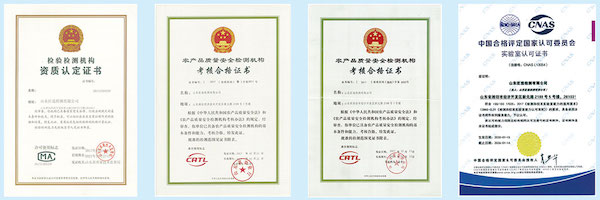
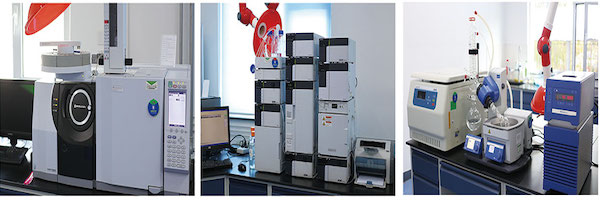
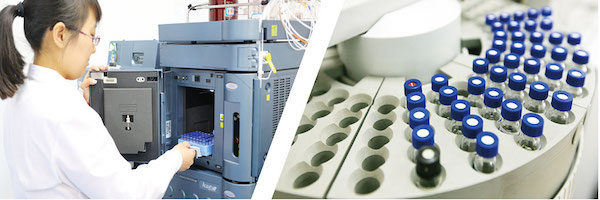
As a national high-tech enterprise and an international mutual recognition designated institution in Weifang National Agricultural Comprehensive Development Zone, Shandong Jiangzao Testing has long been engaged in the field of food and agricultural product testing, with a 10,000-class sterile laboratory and more than 200 sets of internationally advanced equipment. In August 2024, the company signed a contract with Japan's Shin Nihon Kentei Kyokai (SK) to conduct in-depth cooperation in testing standards, methods, and technologies, becoming the first institution in China and Japan to achieve mutual recognition of third-party inspection and testing results.
2. Implementation Path
- Technical Alignment: The two parties synchronized 250 pesticide residue testing standards, covering four testing methods to ensure the consistency of testing results.
- Process Optimization: Established a full-process 6S management system "from base to customer", covering the entire chain of planting, processing, testing, and export to ensure product quality.
- Mechanism Innovation: Mutual recognition certificates bear the logos of both parties, and exported products can pass customs directly without repeated testing upon arrival in Japan.
3. Milestone Events
On September 10, 2025, the first batch of garlic products with China-Japan mutual recognition marks was loaded from Anqiu for export, marking the official operation of the mechanism. The first mutual recognition test report, 14 pages in full, was jointly issued by Chinese and Japanese institutions, becoming a landmark achievement in breaking through China-Japan agricultural and food trade rules.
Implementation Location
- •Core Hub: Shandong Weifang National Agricultural Opening and Development Comprehensive Experimental Zone (coordinating technology research and development and standard docking).
- •Export Base: Anqiu City, Weifang (the largest export agricultural product distribution center in China, with exports of ginger, onion and other categories accounting for more than 80% of the national total).
Brief Description of Implementation Effects
Leap in Trade Efficiency
The customs clearance time for exported agricultural products has been shortened by more than 30%, and the cost for enterprises per export has been reduced by 15%-20%.
Enhanced Market Competitiveness
The market share of Anqiu garlic, ginger and other products in Japan has increased by 10%, and pre-made products of enterprises such as Yuanqingtian have accounted for 1/3 of the Japanese market.
Breakthrough in Standard Output
Promoted the integration of China's agricultural and food testing standards with international standards, providing a reference for mutual recognition mechanisms such as China-ROK and China-Australia.
Summary of User Feedback
1. Enterprise Level
Shandong Kaijia Food: "The mutual recognition mechanism has shortened the export cycle of our chicken products from 7 days to 4 days, saving more than 2 million yuan annually."
Person in charge of Yuanqingtian: "Japanese customers have a high recognition of mutual recognition reports, and the order volume in 2025 increased by 25% year-on-year."
2. Institutional Level
Hajime Tagata, Director of Shin Nihon Kentei Kyokai: "The consistency of test results between the two parties reaches 99.8%, setting a benchmark for China-Japan agricultural cooperation."
Management Committee of Weifang National Agricultural Comprehensive Development Zone: "This mechanism has promoted the annual growth of Weifang's agricultural exports by 12%, becoming a model of institutional opening-up."
Providing Enterprises/Institutions (Domestic Suppliers)
1. Leading Enterprise
Shandong Jiangzao Testing Co., Ltd. (technology research and development and testing services).
2. Industrial Ecology
Local agricultural cooperatives in Anqiu (providing raw materials), export enterprises such as Kaijia Food (applying mutual recognition results).
3. Research Support
Shandong Academy of Agricultural Sciences (standard collaborative research and development), Weifang University (talent training).
Cooperation Methods
Mutual Recognition of Technical Standards
The two parties share testing methods and data to ensure the equivalence of test results for 250 indicators.
Joint Laboratory Construction
Established a China-Japan joint testing center in Weifang Agricultural Comprehensive Development Zone to realize equipment sharing and personnel mutual training.
Risk Sharing Mechanism
Established a dispute resolution channel and launched a joint review procedure for differences in test results.